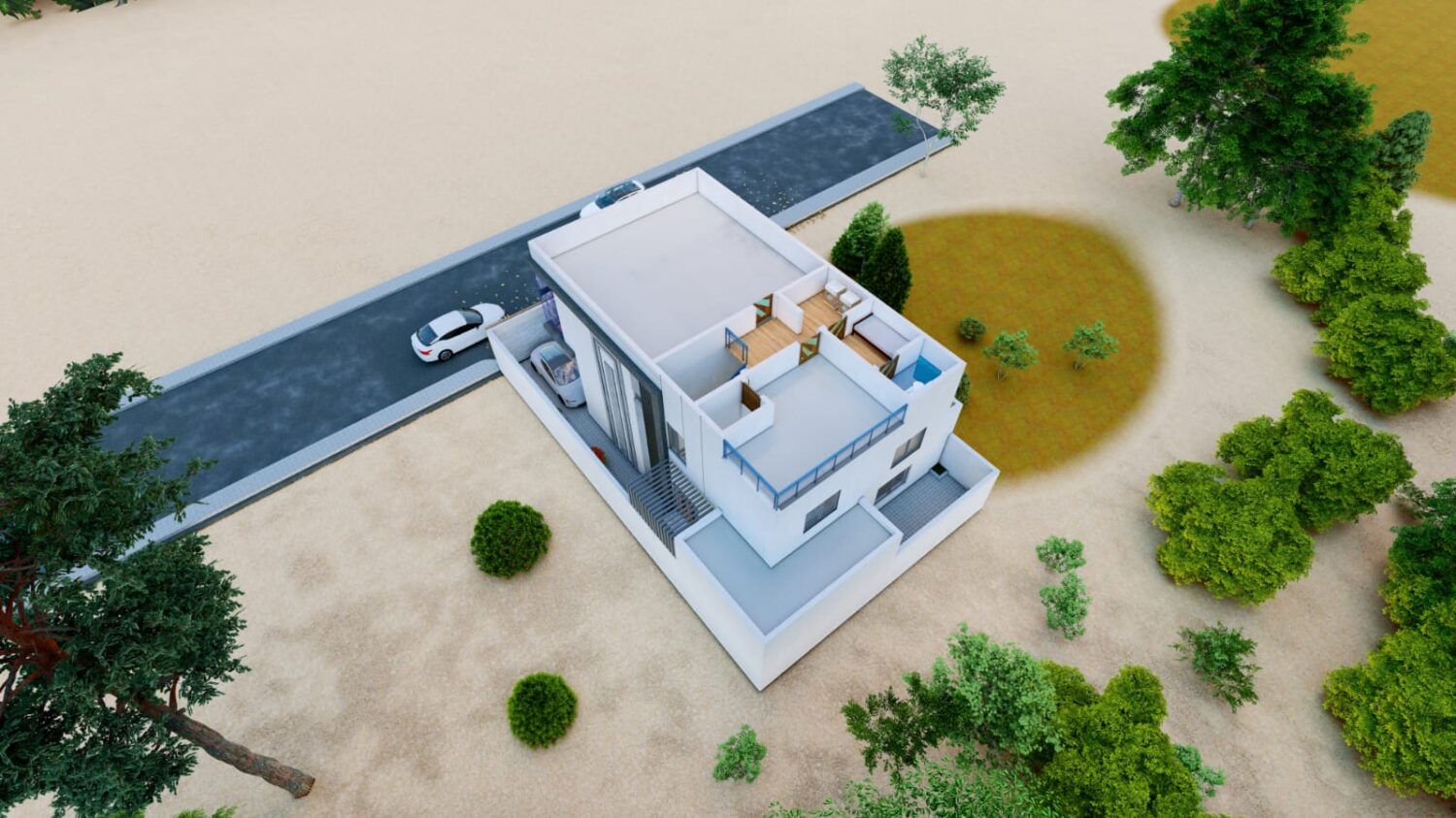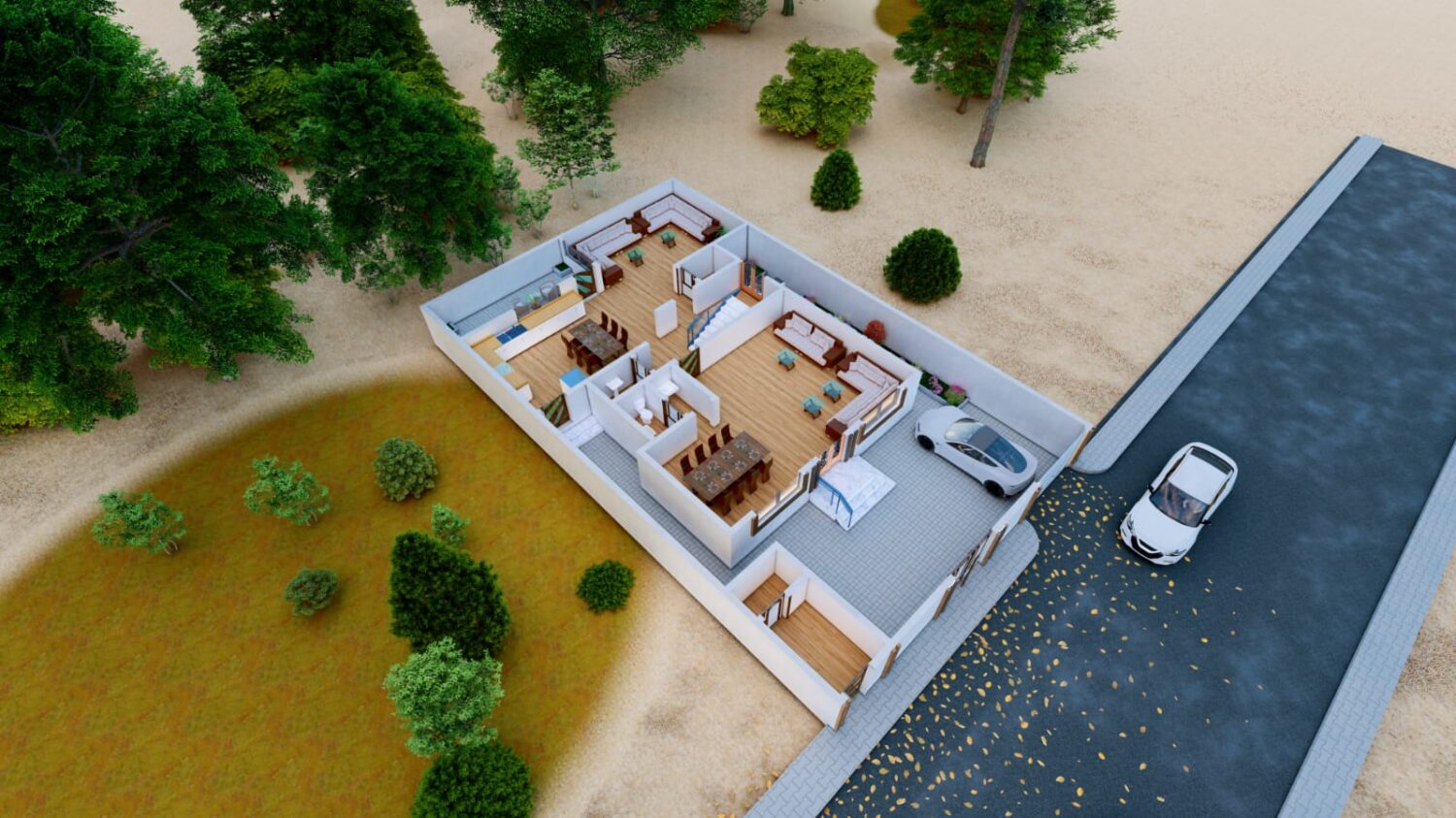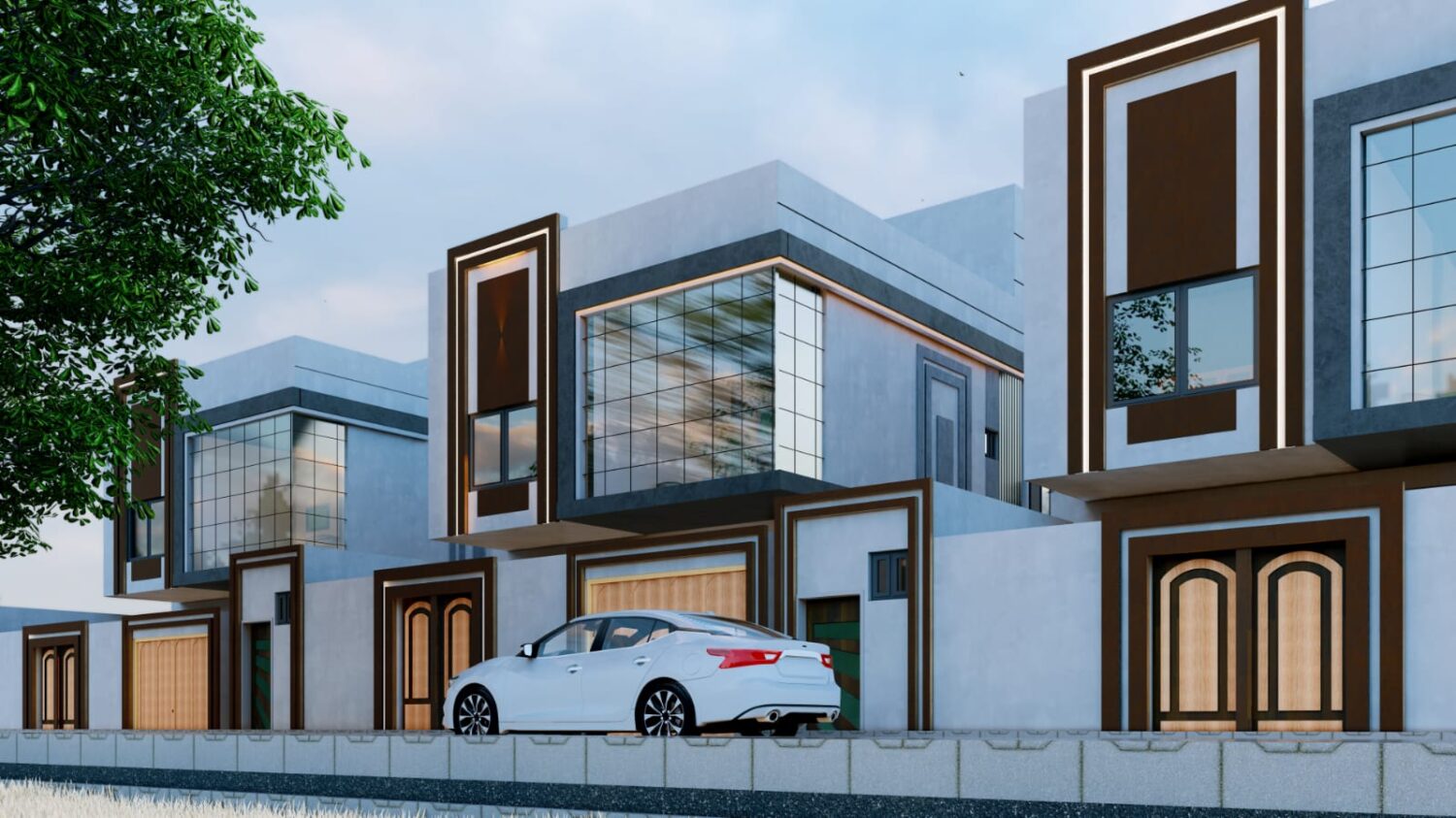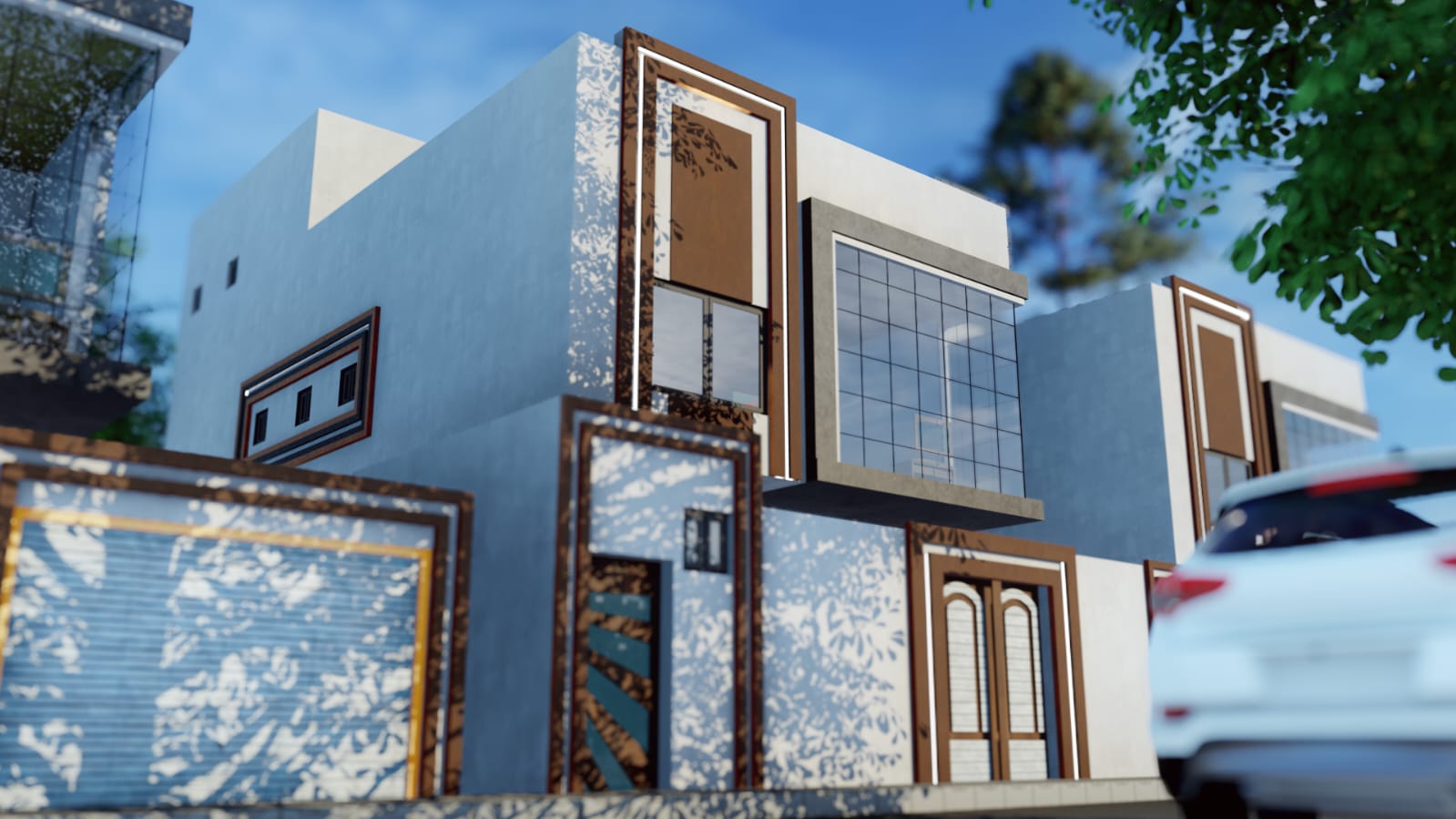
When you plan a new home, the first decision is the building method. This article compares steel vs concrete construction across 9 points, using SGI lightweight steel and traditional reinforced concrete, so you can decide based on clear facts rather than habit.
Key takeaways
- In the steel vs concrete construction debate, SGI is up to 50% faster to build.
- The steel frame is lighter, so foundation loads are lower.
- Insulation saves up to 50% on electricity, and up to 80% with solar.
- Concrete is naturally fire resistant; SGI achieves 120 minutes with an intumescent coating.
- The right choice depends on your priorities: time, running costs and future flexibility.
In this article
What is modern steel construction?
Modern construction refers to building methods that rely on factory prefabrication and on-site assembly instead of casting everything on site. Saudi Arabia supports these methods as part of Vision 2030 to raise productivity and cut waste in the construction sector.
SGI is one such system. It combines a hot-rolled IPE steel frame, SlimDek composite slabs, insulated ThermoCementoLite walls and services that run below the slab. For the full picture, read our guide to steel frame home construction in Jeddah.
Steel vs concrete construction: how the methods differ
In traditional concrete construction, columns, beams and slabs are cast on site, and each stage needs formwork and curing time before the next can begin. In SGI steel construction, the steel sections are prefabricated and joined with bolted connections in a dry assembly, which removes much of the on-site casting and waiting.
Steel vs concrete construction: comparison table
| Criteria | SGI steel | Traditional concrete |
|---|---|---|
| Construction speed | Up to 50% faster | Slower due to casting and curing |
| Building weight | Lighter frame, lower loads | Heavier, higher loads |
| Thermal insulation | EPS-core walls plus thermal breaks | Depends on added insulation |
| Electricity bills | Up to 50% lower, up to 80% with solar | Depends on insulation installed |
| Water use | Up to 70% lower with greywater | Not usually included |
| Fire protection | Intumescent coating, 120 minutes | Naturally fire resistant |
| Concrete in slabs | Up to 60% less | More concrete |
| Flexibility | High | Limited and costly |
| Warranty | 25 years on the structure | Depends on contractor |
Steel vs concrete construction, point by point
1. Speed
Because frame members arrive ready to assemble, SGI construction is up to 50% faster, which means moving in sooner and lower site management costs.
2. Weight and foundations
A steel frame is lighter than a concrete frame, so less load reaches the foundations. This matters most when adding a floor to an existing building, where weight is the deciding factor.
3. Insulation and energy
In SGI, insulation is designed in: EPS-core ThermoCementoLite walls, thermal break pads at frame connections and pre-insulated aluminium ducts. Insulation alone cuts electricity bills by up to 50%.
4. Fire protection
Concrete is naturally fire resistant, a real point in its favour. SGI’s steel frame is covered with an intumescent coating that provides 120 minutes of protection, tested to BS 476 for up to 180 minutes.
5. Sustainability and waste
Prefabrication reduces site waste, SlimDek slabs use up to 60% less concrete, and the PP pipes used are fully recyclable. This is why the system aligns with the Saudi Green Building Code, SBC 1001.
6. Flexibility and maintenance
Lightweight internal walls allow layouts to change later, and services below the slab can be reached without breaking walls or floors.
7. Comfort
EPS-core walls slow heat gain and reduce street noise, and PP-MD drainage pipes reduce the sound of flowing water inside walls and ceilings.
Steel vs concrete construction: lifetime cost
A fair steel vs concrete construction comparison covers three costs: building, running (electricity and water) and maintenance. Faster assembly reduces site costs; savings of up to 50% on electricity and up to 70% on water add up every month; and services below the slab, with PP pipes rated for up to 50 years, reduce repair work.
When concrete makes sense
Some owners prefer concrete because it is the method they know, or because time is not a deciding factor for their project. It is a proven method, and the final decision depends on your priorities.
When steel is the better choice
- When construction time matters.
- When you want lower electricity bills over the long term.
- When you plan to extend or modify the home later.
- When you are building on top of an existing building.
To see how the energy savings work, read how to reduce your electricity bill by up to 80%.
Is the SGI system certified?
Yes. It is certified to the Saudi Building Code (SBC 306 and SBC 1001), and SGI technology is approved by the Ministry of Municipal and Rural Affairs and Housing and the Modern Construction Program under approval no. MMC344. See our certifications.
How to choose between steel vs concrete construction: 5 questions
- Is construction time important for my project?
- Do I want lower electricity bills over the life of the home?
- Do I plan to add a floor or change the layout in the future?
- Is the system I am considering certified to the Saudi Building Code?
- What warranty is offered on the structure, and for how long?
If you answered “yes” to most of the first three questions, steel construction is likely the better fit. If time and energy savings are not priorities for you, concrete remains a familiar option. Either way, ask any contractor for written answers to questions four and five before you sign.
Steel vs concrete construction: FAQ
What is the main difference between steel and concrete construction?
Steel construction uses prefabricated components assembled on site, while concrete construction relies on casting and curing on site for each stage.
Is an SGI steel home as durable as a concrete home?
The structure is designed in ETABS to the Saudi Building Code, protected against corrosion by galvanizing or epoxy, and carries a 25-year warranty.
Does steel construction cost more than concrete?
It depends on design and finishes. For example, the Economic Single Floor Model starts from SAR 420,000 for 250 m² in Jeddah, with lower running costs after you move in.
Can a steel home look like a traditional home?
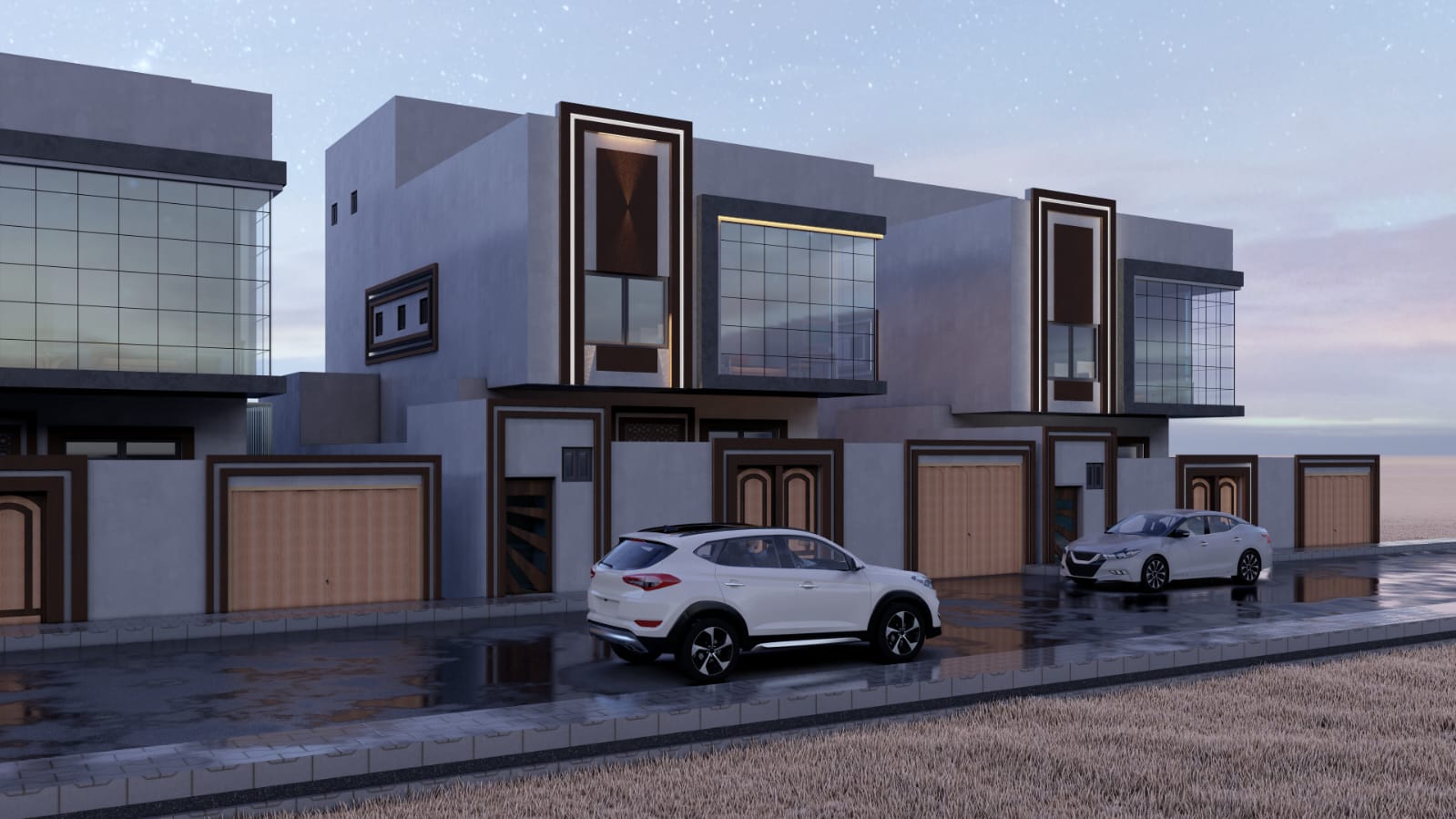
Yes. Any interior or exterior finish can be applied, with full freedom in the architectural design.
Is steel construction fire safe?
Yes. The frame is covered with an intumescent coating that provides 120 minutes of fire protection.
Want to know what suits your plot? Contact us or explore our SGI home models.